
Last Updated: November 15, 2026
Quick Summary
Heavy duty snips suit work that has outgrown light-duty pairs, and the best choice depends on the thickness of the material, how often you cut, and your working conditions. Carbon steel gives a sharp cut for dry, heavy work, while stainless steel suits wet or corrosive conditions. Toolpro's range runs from AUD $11.00 to AUD $50.00.
- Start with the thickest material you will regularly cut before choosing a pair.
- Carbon steel suits dry workshop work where a sharp edge matters most.
- Stainless steel resists corrosion, making it the better choice for wet or humid conditions.
- The Fujiya F-509 costs AUD $27.50 and has a serrated blade to help prevent slipping.
- Choose the shortest pair that still handles your thickest material comfortably.
Table of Contents
- Heavy Duty Snips Compared: Toolpro's Range at a Glance
- How We Selected These Snips
- Carbon Steel vs Stainless Steel: Which Blade Suits Heavy Cutting
- Pros, Cons and Value for Money Across the Range
- How to Choose Snips by Cutting Capacity and Blade Material
- Aviation Snips vs Bolt Cutters: When Each Tool Makes Sense
- Keeping Your Snips Sharp and Ergonomic for Long Shifts
- Choosing Your Next Pair of Heavy Duty Snips
- Frequently Asked Questions
Heavy duty snips earn their place in a toolbox when a job has outgrown the light-duty pairs. This guide compares the heavy duty snips on offer so you can match a pair to the work in front of you. A pair that is too light will chew through its blade on sheet metal, while a pair that is too heavy will wear your hand out on delicate stems. The right choice depends on what you cut, how often you cut it, and how thick the material is. Australian Standards for hand tool safety and quality
Heavy Duty Snips Compared: Toolpro's Range at a Glance
The range covers several blade materials and lengths, from carbon steel pairs to stainless steel options. The table below summarises the heavy duty options so you can scan price, length and blade type before reading the detail.
| Product | Starting Price | Length | Blade Material | Best For |
|---|---|---|---|---|
| Fujiya Heavy Duty Snips - F-509 | AUD $27.50 | 205mm | Carbon steel | Light to medium pruning and floristry |
| Stainless Steel Snips Heavy Duty | AUD $11.00 | 190mm | Stainless steel | Light pruning and harvesting |
| ARS Heavy Duty Stainless Steel Snips | AUD $50.00 | 200mm | Stainless steel | Floristry and heavy duty cutting |
| Chikamasa Carbon Steel Snips | AUD $22.00 | 180mm | Carbon steel | Light pruning and propagation |
Length
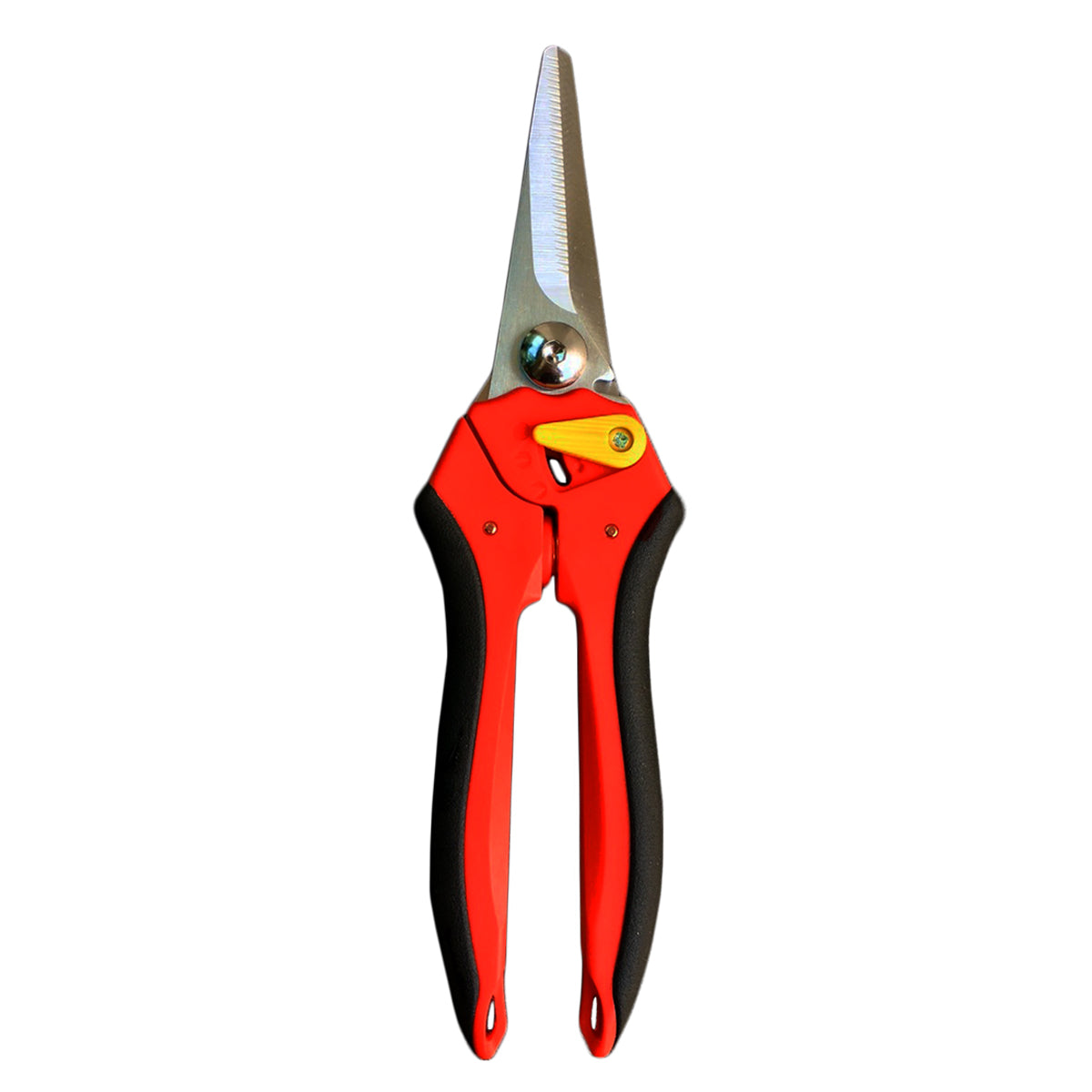
The Fujiya F-509 has quality carbon steel blades with a wire cutting notch, and one blade is serrated to prevent slipping. Fujiya Heavy Duty Snips - F-509 is the pair to look at first if your work runs to medium-gauge cutting.
How We Selected These Snips
This list is drawn from the Toolpro catalogue, and every spec here comes from the product listings.
Carbon Steel vs Stainless Steel: Which Blade Suits Heavy Cutting
Carbon steel is used for the blades of several listed snips, including the Fujiya F-509 and Chikamasa Carbon Steel Snips.
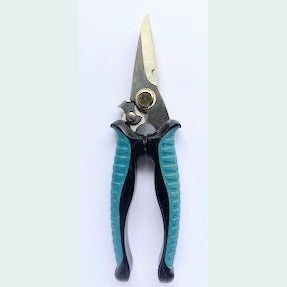
Stainless steel resists corrosion, which is useful for damp conditions. Stainless Steel Snips Heavy Duty suits anyone who cuts in wet conditions, while Chikamasa Carbon Steel Snips is the option to weigh if your cutting is mostly dry and your blade needs a keen edge.
Pros, Cons and Value for Money Across the Range
The Fujiya F-509 is 205mm long and has a serrated blade to help prevent slipping.
The ARS Heavy Duty Stainless Steel Snips is the most expensive pair in this list at AUD $50.00, and is suited to floristry, light pruning and trimming, and harvesting. The Stainless Steel Snips Heavy Duty is priced at AUD $11.00 and is suited to light pruning and harvesting.
How to Choose Snips by Cutting Capacity and Blade Material
Start with the thickest material you will regularly cut. Light-duty pairs handle stems, soft wire and thin trim. Heavier pairs suit firmer material, and the true heavy duty options are the ones built for repeated work on thicker stock.
Next, decide the blade material from your working conditions:
- Dry workshop, sharp edge priority: carbon steel
- Wet, humid or sap-heavy work: stainless steel
- Floristry and precision cuts: a pair with a fine, controlled blade
Check the length against your hand size. Longer pairs give more use but can tire the hand over a long shift. Our recommendation is to choose the shortest pair that still handles your thickest material comfortably.
Watch out: a stainless steel pair used on thick, hard material can chip or bend its edge. Match the tool to the job, not the other way round.
Aviation Snips vs Bolt Cutters: When Each Tool Makes Sense
Use snips for anything you can cut with a steady hand, and reach for bolt cutters when the material is too thick or hard for the snip blade. Forcing a snip through material beyond its capacity is the most common way to ruin a pair. Precision Scissors for Delicate Floral Work: 8 Best Options covers finer cutting tools if your work sits at the delicate end of the scale.
Keeping Your Snips Sharp and Ergonomic for Long Shifts
A dull blade forces you to squeeze harder, which tires the hand and makes cuts less accurate. Wipe blades after each use, keep carbon steel lightly oiled, and sharpen the edge before it starts to drag. How to Sharpen Professional Garden Shears walks through the sharpening process step by step.
Choosing Your Next Pair of Heavy Duty Snips
Decide on your thickest material, your working conditions and your hand size, then pick the blade material that suits them. Carbon steel gives the sharpest cut for dry, heavy work; stainless steel is the choice for wet or corrosive conditions. The range covers both carbon and stainless steel options, from AUD $11.00 to AUD $50.00.
The Fujiya F-509 is priced at AUD $27.50 and has a serrated blade to help prevent slipping. Start there, and move up or down the range once you know how your work tests the blade.
Frequently Asked Questions
What is the difference between straight, left, and right cut aviation snips?
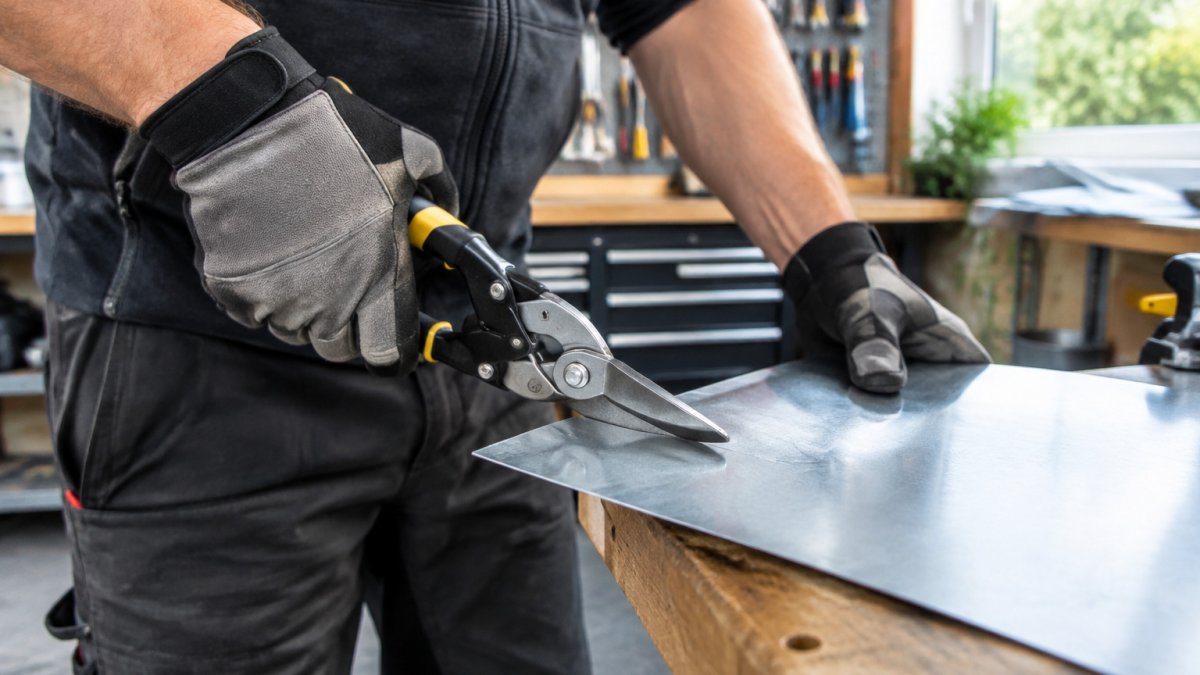
Straight cut snips cut in a straight line and keep the offcut in the same plane, so they suit general trimming. Left cut and right cut snips curve the cut toward one side, which is useful for following a curved or circular line. Left cut snips are typically coloured green and right cut snips red. Choosing the correct cut direction reduces waste and keeps the sheet cleaner, particularly on longer runs of sheet metal or flashing.
Can aviation snips be used for heavy-duty pruning?
Aviation snips are designed for cutting sheet metal and thin materials rather than woody stems. Toolpro's heavy duty snips, such as the Fujiya F-509 at $27.50 and the Stainless Steel Snips Heavy Duty at $11.00, are suited to light to medium pruning, harvesting and floristry. For thick branches, loppers or bolt cutters are a better choice. Using snips on material beyond their rated capacity can chip the blades or misalign the pivot.
How do I maintain my aviation snips to ensure longevity?
Wipe the blades clean after each use to remove sap, metal filings and moisture. Apply a light coat of oil to the pivot and blades before storage, and check that the pivot is snug but still moves freely. Sharpen the cutting edges when they begin to crush rather than cut cleanly. Store snips dry and separately from other tools so the blades do not chip. Toolpro stocks sharpeners and spare parts to help extend the working life of your tools.
What safety gear should be worn when using heavy-duty snips?
Wear cut-resistant gloves when cutting sheet metal, because edges can be sharp even after the cut is complete. Safety glasses protect against metal offcuts and flying debris. Long sleeves help protect forearms when working overhead or near sharp edges. Keep fingers clear of the blade path, and support the offcut so it does not spring back. Follow your workplace safety requirements under the relevant Australian work health and safety legislation.
Are forged steel blades better for heavy-duty cutting tasks?
Carbon steel blades generally hold a sharp edge well and cut cleanly through thicker material, which suits heavy duty work. Stainless steel resists rust and corrosion. The best choice depends on your material and conditions, so compare the blade material listed on each Toolpro product before buying.
