
Table of Contents
- Precision Scissors for Delicate Floral Work: Quick Comparison
- How We Evaluated These Precision Scissors
- Best Florist Scissors for Professional Arrangements
- Precision Floral Snips for Fine Detail Work
- Scissors for Trimming Flowers: Task-Based Selection
- How to Clean and Sharpen Pruning Scissors
- Which Precision Scissors Should You Choose?
- Conclusion
- Frequently Asked Questions
Last Updated: October 11, 2026
Precision Scissors for Delicate Floral Work: Quick Comparison
Precision scissors for delicate floral work aren't all the same. The difference between a tool that glides through stems and one that crushes them comes down to blade length, tip sharpness, and material. At Toolpro, we've spent years sourcing the best options for florists, orchid enthusiasts, and serious gardeners who need precision cutting without compromise.
This guide covers eight professional-grade options that excel at fine-detail cutting. We'll show you how to evaluate these tools by your specific needs, what separates the best performers, and how to maintain them for years of reliable use.
| Tool | Starting Price | Best For | Key Feature |
|---|---|---|---|
| Chikamasa Floristry Scissors - Small | $30.00 | Fine floristry, bonsai | Lightweight Japanese design |
| Chikamasa Florist Scissors | $45.00 | Professional arrangements | Unique blade design for clean cuts |
| Sakagen Professional Florist Scissors | $45.00 | General floristry | Long-lasting Japanese construction |
| ARS FP17 Florist Scissors | $65.00 | Professional floristry | Premium quality material |
| ARS FL18-BP Florist Scissors | $55.00 | Floristry and harvesting | Stainless steel, comfort handles |
| Barnel Florist Scissors | $26.00 | Floristry, crafts, trimming | Carbon steel blades, affordable |
| ARS 320DX-T Fine Stainless Steel Harvesting Scissors | $33.00 | Harvesting, bonsai, propagation | Compact, precision-focused |
| Fujiya Floristry or Harvesting Scissors - F508BT | $27.50 | Floristry and harvesting | Spring-assisted, PTFE-coated blades |
How We Evaluated These Precision Scissors
We assessed each tool based on blade material, blade length and tip shape, and handle comfort. Japanese-manufactured options consistently deliver superior sharpness because of their drop-forged steel construction and precision grinding. Shorter blades (155-170mm) give you more control over delicate stems; longer blades (185-190mm) work better for reaching into dense arrangements.

Florist scissors must handle fresh flower stems cleanly without crushing the vascular tissue, which causes wilting. They also need to cut paper flowers, floral foam, and wire without dulling. We prioritised tools that excel across multiple tasks rather than single-purpose options.

Tools with PTFE (Teflon) coatings resist plant sap buildup better than bare steel, reducing cleaning time. Stainless steel blades resist rust and corrosion; carbon steel requires more care but often delivers superior sharpness. For professionals using scissors daily, sap accumulation becomes a real problem that clogs the pivot and forces frequent cleaning.
Best Florist Scissors for Professional Arrangements
Professional florists need scissors that handle the daily grind: cutting dozens of stems per hour, working with mixed materials, and maintaining blade sharpness without constant maintenance. These three options are built for that reality.
Chikamasa Floristry Scissors - Small
The Chikamasa Floristry Scissors - Small at $30.00 is ideal for fine floristry and bonsai work. At 155mm long, the lightweight design reduces hand fatigue and gives you surgical-level control when trimming individual flower stems. The trade-off: at 155mm, it's not ideal for reaching deep into large arrangements or handling thicker woody stems.
Chikamasa Florist Scissors
The Chikamasa Florist Scissors at $45.00 is the professional standard. At 170mm, it balances control and reach. The unique blade design delivers clean cuts that don't crush delicate stems, which matters because crushed stems wilt faster. Japanese-manufactured with comfort handles, the blade geometry creates a micro-sharp edge that slices rather than crushes. The blade angle and steel composition are engineered specifically for floristry.
Sakagen Professional Florist Scissors
The Sakagen Professional Florist Scissors at $45.00 offers the longest blade at 185mm, ideal for large arrangements. Japanese-made from high-quality materials, the longer blade distributes cutting force across a wider surface, reducing hand strain when working with tougher stems. You sacrifice some fine-detail control compared to shorter options, but gain versatility for mixed arrangement sizes.

Precision Floral Snips for Fine Detail Work
When precision matters more than speed, delicate orchid work, propagation, or craft applications, these three tools excel at clean, controlled cuts on the most fragile materials.
Barnel Florist Scissors
The Barnel Florist Scissors at $26.00 offers excellent value. Made in the USA with carbon steel blades, they handle floristry, harvesting, trimming, and craft work. Carbon steel delivers excellent sharpness and holds its edge longer than stainless on delicate cuts, though it requires slightly more maintenance to prevent rust.
ARS 320DX-T Fine Stainless Steel Harvesting Scissors
The ARS 320DX-T Fine Stainless Steel Harvesting or Propagation Scissors at $33.00 is purpose-built for precision work. At 155mm, the fine tip and blade geometry give you maximum control on tiny stems. Stainless steel construction resists rust and sap corrosion, ideal for orchid enthusiasts and propagation specialists.
Fujiya Floristry or Harvesting Scissors - F508BT
The Fujiya Floristry or Harvesting Scissors - F508BT at $27.50 features spring-assisted handles that reduce hand fatigue on repetitive cuts. At 190mm, it's the longest option. PTFE-coated blades resist plant sap buildup and wipe clean easily. Japanese steel construction delivers the sharpness needed for clean cuts.
Scissors for Trimming Flowers: Task-Based Selection
Different floral tasks demand different tools. Choosing the right precision scissors for delicate floral work depends on what you're actually cutting.
For fresh flower arrangement work, prioritise blade sharpness and stem-crushing prevention. The Chikamasa Florist Scissors or Sakagen Professional options excel because their blade geometry is engineered for clean cuts on living tissue.
For paper flowers and craft applications, carbon steel blades (like the Barnel option) maintain their edge longer on paper than stainless steel. Shorter, compact designs give you better control over intricate cuts.
For propagation and bonsai work, the ARS 320DX-T or Chikamasa Floristry Scissors - Small are ideal. These compact, precision-focused tools let you make surgical cuts on tiny stems without damaging the plant.
For high-volume floristry, the Fujiya F508BT spring-assisted design reduces hand fatigue during marathon cutting sessions. If you're cutting 200+ stems per day, the ergonomic advantage compounds over hours of work. The PTFE coating also saves time on cleaning and maintenance.
For mixed tasks (general gardening plus floristry), the mid-range Chikamasa or ARS options give you versatility. They handle fresh stems, woody branches, and craft materials without requiring multiple tool changes.
How to Clean and Sharpen Pruning Scissors
Precision scissors for delicate floral work require regular maintenance to stay sharp and prevent sap buildup from slowing your work. Clean maintenance extends blade life by years.
Chikamasa Floristry Scissors - Small →
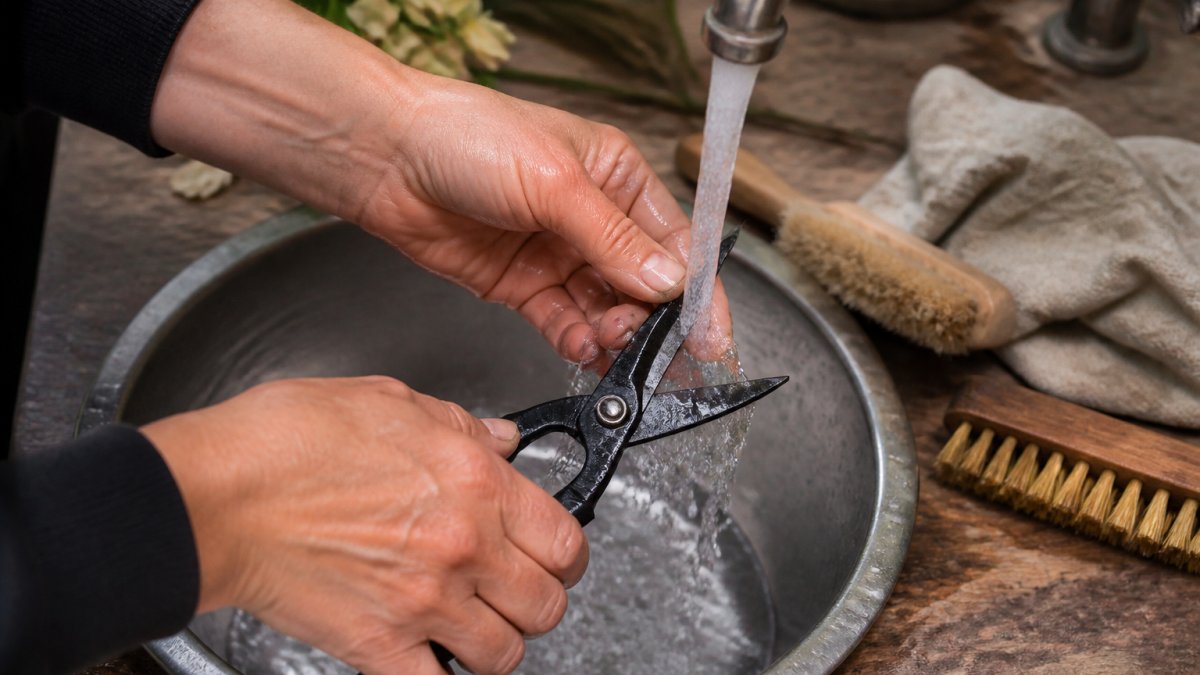
Daily cleaning is the foundation. After each work session, rinse the blades under running water to remove sap and plant debris. Use a soft cloth to wipe the blades dry, moisture left on steel promotes rust and corrosion.
Weekly maintenance involves a deeper clean. Soak the scissors in warm water for five minutes to soften dried sap, then gently scrub with a soft brush.
Sharpening frequency depends on use. Professional florists using scissors daily should sharpen every 4-6 weeks. Home users might sharpen 2-3 times per year.
Professional sharpening services are available, but many florists learn to touch up blades with a ceramic sharpening rod or fine whetstone. The key is maintaining the original blade angle (typically 15-20 degrees).
Storage matters too. Keep scissors in a dry location away from humidity. A protective cover prevents accidental damage and keeps the blades from contacting other tools. Never store scissors in a damp toolbox or leave them wet in a sink, moisture accelerates rust and corrosion, especially on carbon steel.
Which Precision Scissors Should You Choose?
Selecting the right tool comes down to three questions: What materials do you cut most? How many hours per day do you use scissors? What's your maintenance tolerance?
If you cut fresh flowers daily and want the professional standard, the Chikamasa Florist Scissors at $45.00 is the answer.
If you prioritise ergonomics and low maintenance, the Fujiya Floristry or Harvesting Scissors - F508BT at $27.50 offers spring-assisted handles and PTFE-coated blades.
If you work with delicate orchids or propagation, the ARS 320DX-T Fine Stainless Steel Harvesting Scissors at $33.00 delivers precision control. The 155mm length and fine-tip design give you the accuracy that delicate work demands.
If budget is your constraint, the Barnel Florist Scissors at $26.00 prove that professional-grade performance doesn't require premium pricing. Carbon steel blades hold their edge well, and the tool handles floristry, craft, and general trimming work.
If you need reach without sacrificing control, the Sakagen Professional Florist Scissors at $45.00 offers the longest blade at 185mm. Japanese construction and high-quality materials deliver durability.
The common thread across all these options: they're all engineered for precision cutting on delicate materials.
Conclusion
Precision scissors for delicate floral work are an investment that pays dividends in cleaner cuts, faster work, and reduced hand fatigue. The difference between a tool that crushes stems and one that slices them cleanly is blade geometry, material, and construction quality, not marketing.
At Toolpro, we've sourced eight options that excel at different tasks. Whether you're a professional florist needing daily reliability, an orchid enthusiast requiring surgical precision, or a crafter working with paper flowers, the right scissors make every cut count. Start with the Chikamasa Florist Scissors if you want the professional standard, or choose based on your specific task and budget.
Get started with precision scissors from Toolpro and experience the difference that professional-grade tools make in maintaining clean, healthy cuts on every flower.
Frequently Asked Questions
What features should I look for in scissors for delicate floral work?
Precision scissors for delicate floral work need sharp, pointed blade tips for clean cuts without crushing stems, short blades (155-190 mm) for control, and lightweight construction to reduce hand fatigue during long sessions. Stainless steel blades resist corrosion from plant sap, while comfort handles prevent repetitive strain. Look for scissors designed specifically for floristry rather than general craft use, as they're optimised for the precise cutting angles flowers require.
Are precision scissors or florist scissors better for cutting flower stems?
Florist scissors are purpose-built for flower stems and deliver cleaner cuts than general precision scissors. They feature blade geometry and handle ergonomics tailored to floristry, reducing stem crushing and bruising. Precision scissors work for fine detail tasks like trimming small foliage or paper flowers, but dedicated florist scissors ($26-$65) give better results on live stems because they're designed to handle the moisture and resistance of fresh plant material without damaging vascular tissue.
How should I clean and sharpen precision scissors?
After each use, wipe blades with a damp cloth to remove sap and debris before it hardens. For stainless steel scissors, use warm soapy water and dry thoroughly to prevent corrosion. Sharpen blades annually or when cuts become ragged by using a fine whetstone or sending them to a professional sharpening service. Never use a steel or coarse stone, as this damages the blade profile. Store in a dry location and avoid dropping, which chips the edges.
Why do florist scissors cost more than regular scissors?
Professional florist scissors cost $26-$65 because they use superior materials (Japanese steel, stainless blades), precision manufacturing, and ergonomic design for repetitive use. Cheaper general scissors lack the blade sharpness and handle comfort needed for daily floristry, leading to stem crushing, hand pain, and faster dulling. Professional-grade scissors maintain clean cuts longer, reduce hand strain, and last years with proper care, making them a better investment for florists and serious gardeners who use them regularly.
Can sewing or embroidery scissors be used for floristry?
Sewing scissors can trim paper flowers and delicate foliage, but they're not suitable for fresh flower stems. They lack the blade strength and geometry needed to cut through moist plant tissue cleanly, often crushing or bruising stems instead. Embroidery scissors are even smaller and more delicate, making them unsuitable for any floristry work beyond trimming dried arrangements. Always use scissors designed for floristry to protect plant health and achieve the clean cuts arrangements require.