
Last Updated: November 12, 2026
Quick Summary
For orchid enthusiasts, the best DrGreenthumbs alternatives are coarse coco chips, sphagnum and perlite blends, and graded pine bark matched to root thickness and pot size. Choose a medium for aeration and drainage rather than convenience, and buy small quantities to test one plant first.
- Coco chips resist decomposition longer than soft bark and drain freely when graded coarsely.
- Small bark (5-10mm) suits fine-rooted species and seedlings, while large bark (20-30mm) suits Cymbidiums and Vandas.
- The all-rounder recipe mixes 5 parts medium pine bark, 1 part perlite and 1 part coarse coco chips.
- Repot at the start of new root growth, usually spring, and avoid repotting mid-flowering.
- The Chikamasa Ultra Light Stainless Steel Snips weigh just 55 grams for fine root and bloom work.
Table of Contents
- Why Orchid Enthusiasts Look Beyond DrGreenthumbs
- Orchid Bark Alternatives Worth Trying
- Alternative Orchid Potting Mixes Compared
- Matching Orchid Bark Size for Roots and Pot Type
- DIY Orchid Potting Mix Recipes That Work
- Choosing the Right Cutting Tools for Repotting and Maintenance
- Picking the Right Alternative for Your Orchid Collection
- Frequently Asked Questions
Why Orchid Enthusiasts Look Beyond DrGreenthumbs
Orchid enthusiasts searching for a DrGreenthumbs alternative usually share one frustration: the potting medium works at first, but roots decline faster than expected. Toolpro supplies cutting tools to orchid growers, nurseries and florists. The problem is rarely the plant, it is the medium breaking down, staying wet too long, or offering too little airflow around the roots.
What DrGreenthumbs Does Well
DrGreenthumbs built its reputation on accessible, peat- and bark-based mixes that suit many plants, orchids included. They are easy to find, reasonably priced, and consistent from bag to bag. For a beginner with a single Phalaenopsis on a windowsill, that convenience matters.
Where the Gaps Appear for Orchid Growers
Orchids are epiphytes, growing on trees rather than in soil, and their roots need air as much as water. A mix that suits a fern or a tomato seedling often holds too much moisture for an orchid. The gaps show up as:
- Compaction over time. Fine peat particles can settle and close the air pockets roots depend on.
- Slow drainage. Water sits in the pot base, and root rot follows.
- Poor size grading. A single blend cannot suit both a small-rooted moth orchid and a large Cymbidium.
None of this makes DrGreenthumbs a bad product. It makes it a general product being asked to do a specialist job.
Orchid Bark Alternatives Worth Trying
Orchid bark alternatives are growing media that replace or supplement pine bark while preserving the drainage and airflow orchid roots require. The best options fall into two families: coconut-based materials and mineral or moss blends.
Coco chips and coir
Coco chips are chunks of coconut husk, graded by size much like bark. They hold moisture well, resist decomposition longer than soft bark, and drain freely when graded coarsely. Coir, the finer fibre version, retains more water and suits growers in dry, heated rooms, but it can hold salts, so rinse it before use. A common mistake is buying fine coir for a Phalaenopsis and treating it like chunky bark; the roots stay wet and sulk.
Sphagnum moss and perlite blends
Sphagnum moss holds water and humidity around roots, which helps in low-humidity homes, but packed tightly it suffocates them. Perlite is a lightweight volcanic mineral that creates air pockets and improves drainage without adding weight. A blend of loose sphagnum and perlite suits growers who water frequently. Pure sphagnum in a cool room stays wet for weeks and is a leading cause of root rot in moth orchids.
Alternative Orchid Potting Mixes Compared
Alternative orchid potting mixes differ mainly in how long they last, how much water they hold, and how much air they give roots. This comparison is brand-neutral and adds the availability and cost detail searchers repeatedly ask for.
The criteria that actually matter
Judge every medium on six things, in this order:
- Aeration. How much air reaches the root surface between waterings. Orchid roots are epiphytic and respire through the velamen; a medium that collapses or packs tight starves them.
- Water retention. How long the medium stays damp after watering, the variable you tune to your room, not the other way around.
- Structural lifespan. How long the medium holds its shape before decomposing into fines that clog air pockets. Bark softens and breaks down; coco chips and perlite last longer; sphagnum collapses fastest.
- pH behaviour. Most orchids tolerate a mildly acidic to neutral range. Fresh pine bark is acidic and settles over time; coco coir is closer to neutral; sphagnum is acidic. Not a dealbreaker for most hobby growers, but it explains why some mixes need a rest before potting.
Side-by-side comparison
| Medium | Moisture retention | Drainage and aeration | Structural lifespan in pot | pH tendency | Reuse | Best for |
|---|---|---|---|---|---|---|
| Pine bark, medium grade | Moderate | Good | 1-2 years | Acidic, settles toward neutral | Shake clean, reuse once | Most Phalaenopsis and Cymbidium |
| Coco chips, coarse | Moderate to high | Good | 2-3 years | Near neutral | Good, rinse first | Growers in dry climates |
| Sphagnum moss | High | Poor if packed | 6-12 months | Acidic | Poor, replace | Low-humidity rooms, mounted plants |
| Perlite | Low | Excellent | Indefinite (does not decompose) | Neutral | Excellent | Blended for airflow, frequent waterers |
| Charcoal | Low | Good | Indefinite | Near neutral | Good | Odour control, humid setups |
| Bark and coco mix | Moderate | Good | About 2 years | Mildly acidic | Fair | A balanced all-round substrate |
No single row wins outright. More moisture retention means less airflow, and orchid roots want both. Match the row to your watering habit and your room rather than hunting for a universal winner.
Availability and cost in practice
Check the grade before buying orchid media, since general-purpose products are often too fine for orchid use.
Matching Orchid Bark Size for Roots and Pot Type
Bark grade should match root thickness and pot size, not the plant's overall size. Small bark suits fine-rooted plants in small pots; large bark suits thick-rooted orchids in larger pots.
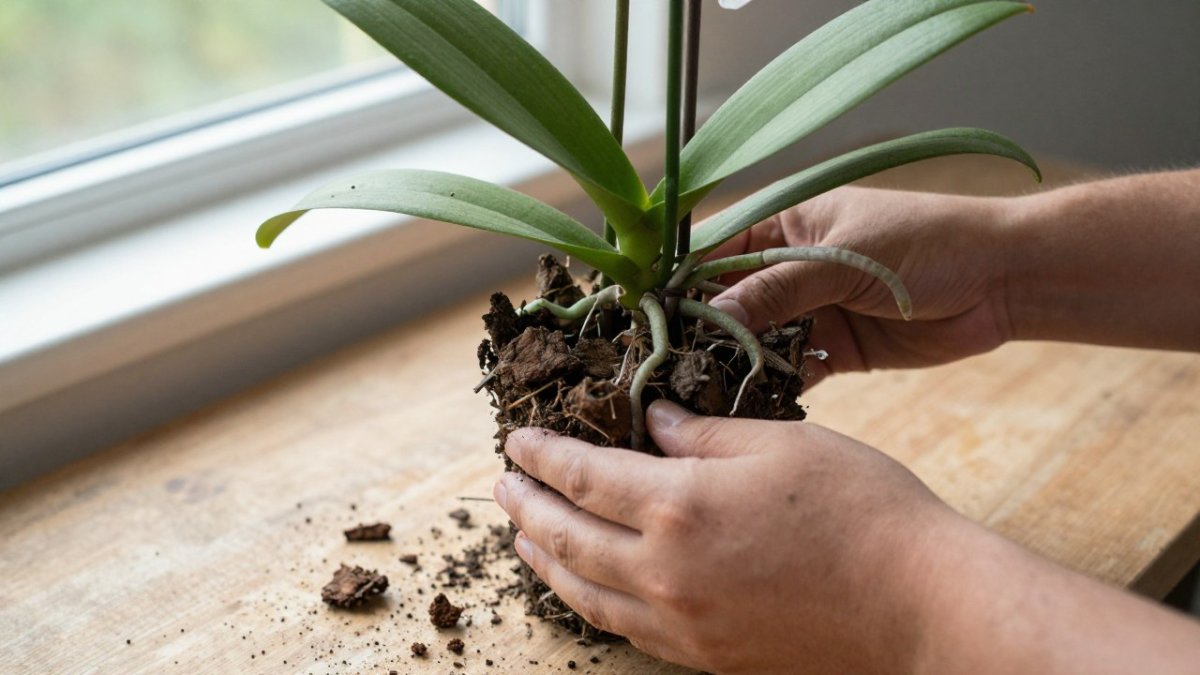
Use this as a starting guide:
- Small bark (5-10mm): fine-rooted species, seedlings, small pots.
- Medium bark (10-20mm): most Phalaenopsis and moth orchids in standard pots.
- Large bark (20-30mm): Cymbidiums, Vandas and thick-rooted species in large pots.
Pot type matters too. A ventilated pot with side slots dries faster, so a slightly finer grade helps. A glazed pot with one drainage hole holds moisture longer, so go coarser.
DIY Orchid Potting Mix Recipes That Work
A DIY orchid potting mix lets you tune drainage, moisture retention and airflow to your own conditions.
Recipe 1: The reliable all-rounder
- 5 parts medium pine bark
- 1 part perlite
- 1 part coarse coco chips
Recipe 2: For dry, heated rooms
- 4 parts medium bark
- 2 parts coco chips
- 1 part sphagnum moss, chopped loosely
Why it works: the extra coco and chopped sphagnum raise moisture retention for rooms with low humidity or reverse-cycle heating.
Recipe 3: For humid coastal conditions
- 6 parts large bark
- 2 parts perlite
- 1 part charcoal
Why it works: coarse bark and perlite dry fast in high humidity, and charcoal helps keep the mix fresh between repots.
Recipe 4: For fine-rooted species and seedlings
- 4 parts small bark (5-10 mm)
- 1 part perlite
- 1 part fine coco chips
Mix small batches, moisten lightly, and let the mix settle for a day before potting.
Transitioning an Orchid to a New Mix
Moving a plant between media is where most repots go wrong, so treat the transition as its own step.
- Time it to active growth. Repot at the start of new root growth, usually spring, when the plant can recover quickly. Avoid repotting mid-flowering or in the coldest part of the year.
- Water the day before. A hydrated plant separates from the old medium more easily and suffers less root damage.
- Ease the root ball out and shake gently. Work the old medium loose with your fingers rather than pulling. Remove as much decomposed material as comes away without force.
- Trim only what is dead. Cut soft, brown or hollow roots with clean, sharp snips. Firm roots, even if pale, are working roots, leave them.
- Match the new mix to the old watering rhythm, then adjust. If the old medium was water-retentive and the new one coarser, water more often for the first few weeks. The reverse is also true, and overwatering into a finer mix is the classic post-repot mistake.
- Pot loosely, water once, and shade briefly. Keep the plant slightly shaded for about a week, then return it to its normal position.
Expect a short settling period. New root tips usually appear within a few weeks in active growth.
Watch out: do not mix old and new medium 'to save the good bits' unless the old material is still firm and clean; decomposed bark carries the same problems into the fresh pot.
Choosing the Right Cutting Tools for Repotting and Maintenance
Clean, sharp cutting tools make repotting and maintenance safer for the plant and easier on your hands. Blunt blades crush tissue rather than cut it, and crushed tissue invites rot. For fine work around roots and spent blooms, precision matters more than power.
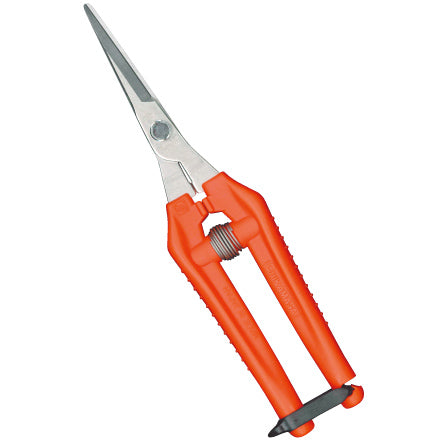
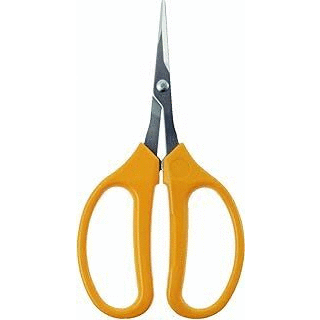
Our range covers the delicate end of the job. The Chikamasa Ultra Light Stainless Steel Snips weigh just 55 grams and suit floristry, bonsai, harvesting and propagation. For a durable stainless option, the ARS 320DX-T Fine Stainless Steel Harvesting or Propagation Scissors handle fine trimming and propagation work. If you are still deciding between styles, our guide to precision scissors for delicate floral work compares eight options, and our article on how to prune indoor orchids for better blooming covers technique in detail.
Whichever tool you pick, clean and dry it after use.
Picking the Right Alternative for Your Orchid Collection
The right DrGreenthumbs alternative depends on your orchid types, climate and how often you water. A moth orchid in a small pot in a dry flat wants a moisture-retentive but airy mix.
Use this decision guide:
- Phalaenopsis or moth orchid, standard pot: medium bark with a little perlite.
- Cymbidium or large species: large bark, coarse coco chips, charcoal.
- Low-humidity home: add sphagnum or coir to hold moisture.
- Humid or coastal setup: go coarser and lean on perlite for airflow.
Buy small quantities first, test one plant, and watch root growth for a season before committing the whole collection.
Choosing a potting medium is only half the job; the other half is cutting cleanly and keeping your tools sharp enough to do it.
Frequently Asked Questions
What can I use instead of orchid bark?
Coco chips, sphagnum moss, perlite, and rockwool are common orchid bark alternatives. Coco chips hold moisture well and break down slowly, making them a good fit for Phalaenopsis. Sphagnum moss suits orchids that need constant humidity, such as seedlings or plants in dry rooms. Perlite adds aeration to dense mixes. Each substitute changes how often you water, so adjust your routine after switching. Many orchid enthusiasts blend two or three of these to balance drainage and moisture retention.
Can orchids grow in potting mix without bark?
Yes, orchids can grow without bark, but the mix must still drain freely and let air reach the roots. Standard garden potting mix is too dense and holds water long enough to cause root rot. Look for alternative orchid potting mixes built on coco coir, perlite, or moss instead. These keep the root zone open while holding enough moisture between waterings. Check the mix every few months, because bark-free blends can compact faster than chunky bark.
How do I choose orchid bark size for roots?
Match the bark grade to the root mass and pot. Small bark suits seedlings, compact roots, and small pots because it holds moisture close to fine roots. Medium bark is a solid all-rounder for Phalaenopsis and most moth orchids. Large bark suits Cymbidium and other thick-rooted species, and it works well in ventilated pots where airflow dries the mix quickly. If roots stay wet for more than a few days, move up a grade.
Can I make my own DIY orchid potting mix?
A simple DIY orchid potting mix uses roughly five parts medium bark, one part perlite, and one part sphagnum moss. Adjust the ratio by orchid type: more moss for humidity-loving species, more perlite for orchids in cool, damp rooms. Soak the bark overnight before mixing so it holds moisture from day one. Store leftover mix dry and in a sealed container. Making your own lets you tweak drainage and moisture retention without buying several pre-blended bags.
How often should orchid potting mix be replaced?
Most mixes need replacing every 18 to 24 months as bark and coco chips decompose and lose structure. Signs it is time include soggy mix that stays wet for days, roots creeping above the surface, and a sour smell from the pot. Repot after flowering when the plant is not actively growing spikes. Use clean, sharp snips to trim dead roots before settling the orchid into fresh medium, and water sparingly for the first week.
