
Table of Contents
- The Real Difference Between Budget and Professional Secateurs
- Material Quality and Blade Steel: Why It Matters
- Bypass vs Anvil Secateurs: Understanding the Mechanism
- Ergonomics and Hand Comfort: The Hidden Health Cost
- How to Maintain Professional Pruning Shears
- Replacing Secateur Blades and Springs for Long-Term Value
- Cost-Per-Use: The Long-Term Investment Calculation
- Environmental Impact and Durability
- Frequently Asked Questions
Last Updated: October 2, 2026
The Real Difference Between Budget and Professional Secateurs
Professional secateurs cost more because you're paying for precision, durability, and hand health. A professional-grade secateur from Toolpro performs thousands of cuts without losing its edge or causing wrist pain, unlike budget alternatives.

The difference is metallurgy and mechanism design. Professional secateurs use hardened steel blades that retain sharpness far longer, with pivot bolts, springs, and mechanisms built to tight tolerances for precise cuts on delicate stems or high-volume pruning.
A professional florist making 200-300 cuts daily faces tens of thousands of cuts per season. Budget secateurs dull within weeks; professional models handle that load for years. Cost-per-use shifts dramatically when factoring replacement frequency and tool failures.
Material Quality and Blade Steel: Why It Matters
Professional secateurs use carbon or stainless steel hardened to 55-60 HRC, directly correlating to edge retention. Budget secateurs use softer steel at 45-50 HRC, translating to dramatically shorter edge life.
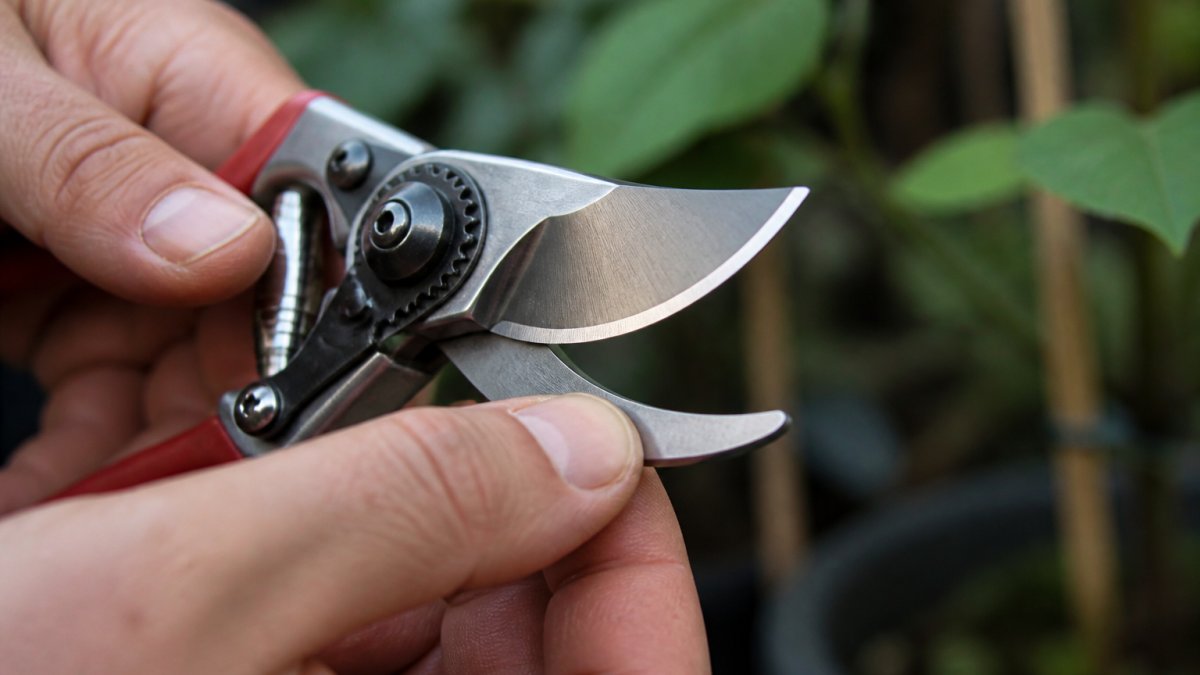
Carbon Steel vs. Stainless Steel
Carbon steel blades like the Felco 2 are hardened through controlled heat treatment (750-850°C, then quenched), creating edges that hold sharpness through thousands of cuts and resharpen easily. The trade-off: carbon steel requires prompt cleaning and drying to prevent rust.

Stainless steel blades in the ARS VS-9XZ resist corrosion but require finer whetstones or professional sharpening. For humid environments or acidic sap, stainless steel reduces maintenance burden.
Budget secateurs use mild or low-carbon steel that dulls faster and develops micro-fractures. Once dulled, they cannot be effectively sharpened because edge geometry collapses.
Heat Treatment and Edge Retention
Professional manufacturers control heat treatment to tight tolerances, ensuring consistent hardness and edge retention. Budget manufacturers skip this precision, resulting in inconsistent performance, some lasting months, others failing within weeks.
Blade Geometry and Cutting Angle
Professional blades are ground to 10-15 degrees per side, creating sharper edges requiring less force. Budget blades at 20-25 degrees dull faster and require more hand force. Professional blades are also polished smooth to reduce friction; budget blades retain rough stamped finishes that accelerate dulling.
Long-Term Cost of Material Choice
A professional carbon steel blade sharpens 5-10 times. Over five years, a professional user spends on blade maintenance. A budget user replaces three to five tools at £30-40 each, totalling £90-200.
Bypass vs Anvil Secateurs: Understanding the Mechanism
Bypass secateurs work like scissors, with one blade sliding past a fixed blade for clean, precise cuts ideal for green growth. Anvil secateurs strike a flat surface, better for dead wood but crushing living stems. Professional secateurs favour bypass mechanisms because clean cuts promote plant health and require tighter manufacturing tolerances. Budget anvil secateurs are cheaper because their simpler mechanism tolerates manufacturing imprecision; bypass secateurs cannot.
Ergonomics and Hand Comfort: The Hidden Health Cost
Professional secateurs reduce repetitive strain injuries by requiring less grip force per cut. A poorly designed secateur forces harder gripping to compensate for dull blades or loose mechanisms, compounding hand fatigue over seasons.
Professional secateurs use aluminium or quality nylon handles with contoured grips that fit natural hand position, reducing muscular effort. Ratchet mechanisms on some models reduce cutting force by up to 50 percent, preventing long-term hand injury in high-volume settings.
How to Maintain Professional Pruning Shears
Professional secateurs require regular maintenance, but this keeps them performing like new and reveals why long-term cost-per-use is lower than budget alternatives.
Daily Cleaning and Sap Removal
Rinse secateurs after each use and wipe with a cloth; use methylated spirits for stubborn sap. Dry immediately to prevent rust (especially carbon steel). A small brass brush prevents sap from hardening in tight spaces.
Lubrication and Pivot Maintenance
Apply one drop of light machine oil to the pivot after cleaning. Check blade tension regularly, it should close with slight spring resistance. Store with blades slightly open in a dry environment to prevent rust.
Sharpening: The Hidden Cost of Tool Ownership
Leyat Swiss Professional Secateurs - 1917 Traditional →
This is where the true cost of professional secateur ownership becomes clear. A dull blade is not just ineffective; it damages plants by crushing tissue rather than cutting cleanly, and it requires significantly more hand force to operate, increasing fatigue and repetitive strain injury risk.
Professional secateurs are designed to be sharpened, which is why they command a higher price. Budget secateurs are often not sharpenable because the blade geometry is inconsistent or the steel is too soft to hold a sharpened edge. Once dull, they must be discarded.
Sharpening a professional secateur requires specific tools:
- Whetstones: A fine-grit whetstone (8,000-12,000 grit) suitable for sharpening secateur blades costs £20-40. A coarser stone (4,000-6,000 grit) for initial edge work costs £15-30. Many professionals maintain both for different sharpening stages.
- Honing oil: A small bottle of honing oil (used to lubricate the whetstone during sharpening) costs £5-10 and lasts months.
- Sharpening guide or jig: Optional but useful, a simple sharpening guide that holds the blade at the correct angle costs £10-20 and reduces the skill required to sharpen effectively.
Total investment in sharpening tools: £50-100 for a complete setup. This is a one-time cost that pays for itself within the first year of professional use.
Alternatively, professional sharpening services are available through garden centres, tool shops, and specialist sharpening services. A professional blade sharpening typically takes 1-2 weeks. For high-volume users, this service cost adds up: sharpening a pair of secateurs four times per year.
Comparing Maintenance Costs: Professional vs. Budget
Consider a florist or nursery worker using secateurs daily:
- Budget secateur: Costs £30-40. Lasts 6-12 months before the blade dulls beyond practical use. Cannot be sharpened effectively. Must be replaced. Annual cost: £30-40 × 1-2 replacements = £30-80 per year.
- Professional secateur: Costs £100-150. Lasts 5-7 years with maintenance. Sharpening costs (DIY with whetstones): £50 initial investment, then £0-5 per year for honing oil and whetstone replacement. Blade replacement (if needed): £15-25 every 2-3 years. Total five-year cost: £150 + £50 (sharpening setup) + £20 (annual maintenance oil) + £20 (blade replacement) = £240. Annual cost: £48 per year.
The professional secateur costs slightly more per year, but the calculation changes dramatically when you factor in hand health, consistency of cut quality, and the reduced labour cost of not replacing tools frequently.
When to Sharpen vs. Replace
A professional secateur blade should be sharpened when it begins to crush rather than cut cleanly. A simple test: try cutting a piece of paper. If the blade tears the paper rather than slicing cleanly, sharpening is needed. Most professionals sharpen their secateurs every 4-8 weeks of regular use, depending on the volume and type of material being cut.
Blade replacement is necessary when the cutting edge is chipped, the blade geometry is damaged, or sharpening no longer restores a clean edge. For professional users, this typically occurs after 2-3 years of regular use. Replacement blades cost £15-25 and take minutes to install, making blade replacement a practical maintenance task rather than a reason to discard the entire tool.
Preventive Maintenance Schedule
To maximise the lifespan of professional secateurs:
- After each use: Rinse, dry, and wipe with a cloth. Apply one drop of oil to the pivot.
- Weekly (for regular users): Check blade tension and adjust if needed. Inspect for sap buildup in the mechanism.
- Monthly: Deep clean the pivot and mechanism with a small brush. Check for rust or corrosion on carbon steel blades.
- Every 4-8 weeks: Sharpen the blade using a whetstone or professional service.
- Annually: Inspect springs and bolts for wear. Replace the spring if the blade no longer closes with consistent tension.
This maintenance routine takes 5-10 minutes per week and ensures your professional secateurs perform like new for years. The time investment is minimal compared to the cost and inconvenience of replacing tools frequently.
Replacing Secateur Blades and Springs for Long-Term Value
This is where professional secateurs deliver exceptional value. When a budget secateur blade dulls, you replace the entire tool. Professional secateurs allow blade replacement, spring replacement, and bolt replacement, often for a fraction of the cost of a new tool.
Toolpro supplies replacement blades and springs for professional models, extending tool life indefinitely.
Cost-Per-Use: The Long-Term Investment Calculation
A $35 budget secateur used daily might last 6-12 months before the blade dulls beyond sharpening or the mechanism develops play. That's roughly $0.10-0.20 per working day.
Environmental Impact and Durability
The environmental argument for professional secateurs is straightforward: durability beats disposability. A budget secateur used for a season and discarded represents waste. A professional secateur used for a decade represents far less waste per year of use.
Frequently Asked Questions
What is the difference between bypass and anvil secateurs?
Bypass secateurs use two overlapping blades that slice past each other like scissors, creating a clean cut ideal for green growth and delicate stems. Anvil secateurs have one sharp blade that cuts against a flat surface, better suited for woody stems and thicker branches. Bypass mechanisms are generally preferred for precision work in floristry and orchid care, whilst anvil designs handle tougher material more efficiently. Professional-grade bypass secateurs maintain sharper edges longer and cause less crushing of plant tissue.
How long should a pair of professional secateurs last?
Quality professional secateurs can last 10-15 years or longer with proper maintenance. Tools like the Felco 2 Secateurs and ARS VS-9XZ Professional Secateurs are designed for decades of use because they feature hardened steel blades, durable aluminium handles, and replaceable parts. Budget secateurs typically fail within 1-3 years due to blade dulling, spring failure, or handle cracking. The difference comes down to build quality, edge retention of the blade steel, and availability of replacement springs and blades that keep professional tools serviceable indefinitely.
Do professional secateurs come with replaceable parts?
Yes, professional-grade secateurs are designed with serviceability in mind. Most quality brands offer replacement springs, blades, and pivot bolts as spare parts, which is a key reason professionals justify the higher cost. Budget tools often cannot be repaired because spare parts are unavailable or cost nearly as much as a new pair. This replaceability extends tool life significantly and reduces long-term cost-per-use, making professional secateurs more economical over time despite their higher upfront price.
How does ergonomic design affect the price of secateurs?
Professional secateurs incorporate ergonomic handles and tension adjustment mechanisms that reduce hand fatigue and repetitive strain during extended use. Quality materials like aluminium handles and precision-engineered pivot bolts distribute force more evenly across your hand, minimising discomfort during long pruning sessions. Budget tools use cheaper materials and generic handle shapes that cause hand fatigue after a few hours. For professional florists, nursery operators, and landscape contractors who prune for hours daily, ergonomic design is not a luxury, it prevents long-term injury and maintains cutting efficiency throughout the working day.