
Last Updated: October 23, 2026
Quick Summary
To identify high quality shears, examine blade alignment, pivot screw tension, steel material hardness of 56-62 HRC, and handle construction for manufacturing defects. Test by cutting paper cleanly with minimal pressure and checking that blades move smoothly without excessive play or binding.
- Quality shears use carbon steel or stainless steel with Rockwell hardness of 56-62 HRC for edge retention without brittleness
- Professional-grade shears from ARS, Okatsune, and Bahco offer replacement blade kits, indicating design for long-term use
- Test pivot screw tension by opening and closing shears 20 times; movement should feel consistent without looseness or grinding
- Cut paper cleanly with one motion; if hair bends, tears, or requires multiple cuts, the edge or alignment is inadequate
- Quality shears need sharpening every 6-12 months and maintenance like monthly pivot lubrication, part of their total cost of ownership
Table of Contents
- How to Identify High Quality Shears: The Inspection Checklist
- Steel Quality and Material Assessment
- How to Choose Hair Cutting Shears by Hand Size and Blade Length
- Hairdressing Scissors Sizes and Handle Ergonomics
- Types of Hair Cutting Shears and Their Performance Indicators
- Hair Shears Maintenance and Sharpening for Long-Term Quality
- Testing Shears Before Purchase: Safe Methods and Red Flags
- Distinguishing Genuine Quality from Marketing Claims
- Frequently Asked Questions
How to Identify High Quality Shears: The Inspection Checklist
Identifying high quality shears means looking beyond brand and price. The real markers are measurable: blade alignment, edge sharpness, pivot screw tension, and steel material. At Toolpro, we've spent years sourcing professional-grade cutting tools for florists, growers, and nurseries, and most people skip the inspection steps that separate durable tools from ones that fail within months.
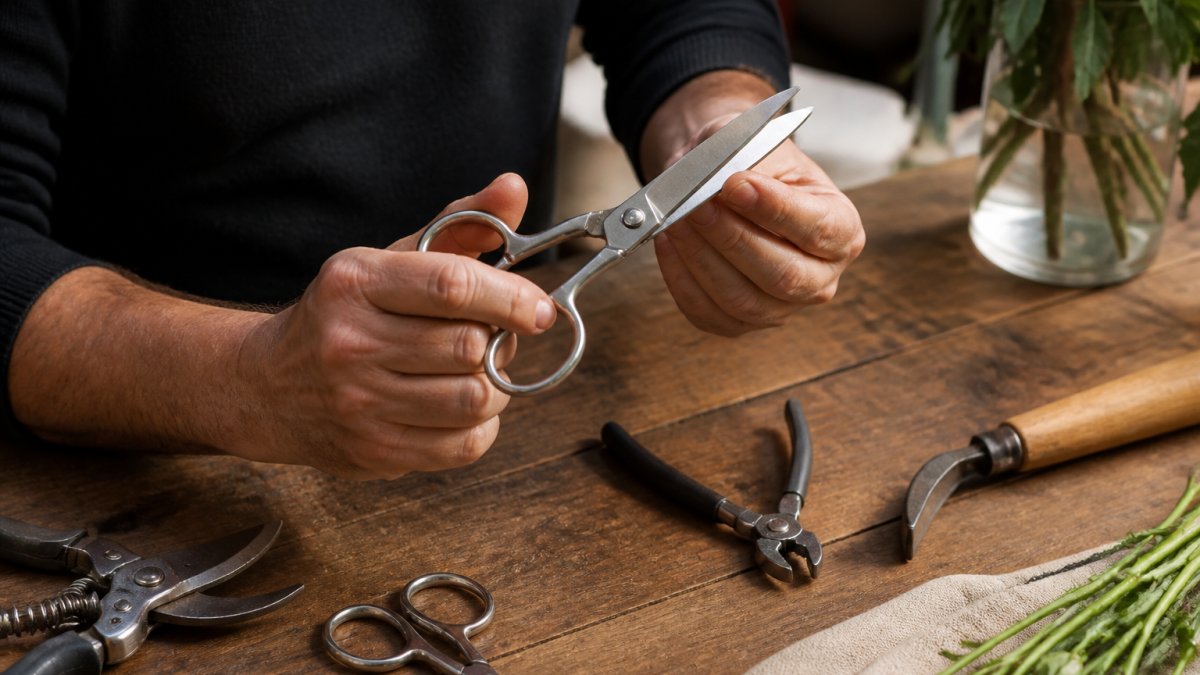
Visual inspection for manufacturing defects
Hold the shears up to a light source and look along the blade edges. Manufacturing defects show up immediately: uneven blade surfaces, non-uniform grinding marks, or visible gaps between closed blades.
Check handles for cracks, rough edges, or separating material. Poor quality shears often feel hollow or thin. Run your fingers along the seams where the handle halves meet; a ridge or gap means imprecise assembly.
Check the pivot area, where most cheap shears fail. The screw should sit flush, not protruding. Visible rust or discolouration around the pivot indicates poor corrosion resistance.
Blade alignment and pivot screw tension
Close the shears gently and watch how the blades meet. They should come together evenly across their entire length, not at one end first. Slight crossing at the tip (an override) is normal; what you want is consistent contact.
Test pivot screw tension by opening and closing the shears 10 times. They should move smoothly without looseness or grinding. Excessive play means the screw has worn or was never tightened properly; a quality pivot holds tension through hundreds of cuts.
Press gently on each blade while closed. They shouldn't flex or bend. If blades move independently, the tool won't cut cleanly, one of the fastest ways to spot a weak design.
Steel Quality and Material Assessment
Material determines edge retention and corrosion resistance. Professional-grade shears use carbon steel or stainless steel. Carbon steel holds a sharper edge longer but needs more maintenance; stainless steel is more forgiving but typically doesn't get quite as sharp.
Look for hardened steel with a Rockwell hardness of 56-62 HRC. This range stays sharp through regular use without being so brittle it chips. Cheaper shears use softer steel that dulls quickly or harder steel that shatters under pressure.
Feel the weight. Quality professional shears feel substantial without being heavy; lightweight ones often use cheap aluminium or thin steel that flexes.
Check whether blades are replaceable. Professional tools from brands like ARS, Okatsune, and Bahco often offer replacement blade kits, a sign the tool is designed for long-term use. Without replacement parts, you're buying a single-use tool no matter how well it's made.
How to Choose Hair Cutting Shears by Hand Size and Blade Length
Shear size matters more than most people realise. Too large forces your hand unnaturally wide, tiring fingers and reducing control; too small creates grip tension and limits efficiency. The right fit depends on finger length and cutting type.
Matching shear size to finger length
Measure from the base of your middle finger to its tip.
Hold the shears in your working hand. Your ring finger should fit comfortably in the handle hole and your thumb should reach the opposite handle naturally. If you're stretching or cramping, the size is wrong.
Blade length and cutting technique
Consider what you'll cut most often. For detail work on perms or fades, a shorter blade gives control. For general cuts where speed matters, a longer blade covers more hair per cut.
Hairdressing Scissors Sizes and Handle Ergonomics
Handle design affects all-day comfort. Two styles dominate professional use: offset and opposing handles, each with advantages depending on hand size and technique.
Offset versus opposing handles
Test both styles if you can: hold each pair for at least a minute and make practice cuts. There's no universal best; it depends on your hand shape and work style.
Weight and balance for comfort
A well-balanced pair feels like an extension of your hand, with weight distributed evenly between blade and handle. A heavier blade end tires your hand quickly; a heavier handle loses precision.
Hold a pair at the pivot point; it should sit level without tipping. True balance means your hand does less work holding the tool upright, leaving more energy for cutting.
Professional-grade shears like the ARS KR-1000 Hedge Shears pair lightweight aluminium handles with carbon steel blades, maintaining balance.

Types of Hair Cutting Shears and Their Performance Indicators
Different shear designs perform different tasks, so quality looks different within each category. A high-quality texturising shear differs from a high-quality cutting shear for a reason: they're built for different work.
Point cutting, slide cutting, and texturising shears
Texturising shears have notched blades that remove bulk from hair. A quality texturising shear has evenly-spaced notches cut cleanly into the blade. Uneven notches mean uneven cutting. The notches should be sharp enough to cut cleanly, not tear hair.
ARS KR-1000 Professional Hedge Shears - Light Weight →
Identifying edge precision and convex versus bevelled blades
Test edge precision by cutting a single strand of hair. A quality blade cuts cleanly with one motion. If the hair bends, tears, or requires multiple cuts, the edge isn't sharp enough or the blade alignment is off.
Hair Shears Maintenance and Sharpening for Long-Term Quality
Quality shears require maintenance. This isn't a flaw, it's a sign the tool is built to last. Cheap shears often need no maintenance because they're designed to be replaced, not repaired.
Cleaning, lubrication, and sap buildup prevention
Clean your shears after every use. Wipe the blades with a dry cloth to remove debris. For shears used on plants, rinse with water and dry immediately to prevent sap from hardening on the blades.
Lubricate the pivot screw monthly with a light machine oil. A single drop on each side of the pivot keeps the mechanism moving smoothly. Over-lubrication attracts dust, so use restraint. The goal is smooth movement, not a wet tool.
Sap buildup on pruning shears happens quickly if you're cutting fresh plant material. Wipe blades with a cloth dampened in methylated spirits or turpentine. This dissolves sap without damaging the steel. Let the blades dry completely before storing.
Sharpening frequency and total cost of ownership
Professional shears need sharpening every 6-12 months depending on use. This is part of the total cost of ownership. A quality pair of shears that lasts years with regular sharpening can be a better investment than cheap shears that need replacing annually.
Some quality shears have replaceable blades. The Okatsune Hedge Shears and Bahco Hedge Shears both offer replacement blade kits. This extends tool life significantly.

Calculate total cost of ownership before buying. Factor in sharpening costs, replacement parts availability, and expected lifespan. A tool that costs more upfront but lasts twice as long is the better investment.
Testing Shears Before Purchase: Safe Methods and Red Flags
You can test shear quality safely before committing to a purchase. These methods take a few minutes and reveal genuine performance issues.
Cut paper. Make a single cut. A quality shear cuts cleanly with minimal pressure. If you need to squeeze hard or the paper tears instead of cuts, the blade isn't sharp or the alignment is off.
Test blade movement. Open and close the shears 20 times in smooth, controlled motions. They should feel consistent throughout. If movement becomes harder or easier partway through, the pivot screw tension is uneven or the blade is binding.
Check handle comfort. Hold the shears in your working hand for a full minute. Make 10-15 practice cuts. Your hand should feel comfortable, not cramped or strained. Pain or fatigue during this short test means the tool will be uncomfortable during a full day of work.
Red flags to watch for: blades that don't align evenly, visible rust or discolouration, handles that feel thin or hollow, excessive play at the pivot, or difficulty cutting paper cleanly. Any of these indicates the tool won't perform well long-term.
Distinguishing Genuine Quality from Marketing Claims
Marketing language often obscures actual quality. Terms like "professional-grade" or "premium" don't mean anything without backing. Here's how to cut through the noise.
Look for specific material information. A quality manufacturer will tell you the steel type, hardness rating, and blade design. Vague descriptions like "high-quality steel" or "durable materials" mean the manufacturer isn't confident in the actual specs.
Check for warranty information. Some warranties exclude sharpening, blade replacement, or damage from normal use.
Examine replacement parts availability. If you can't find replacement blades or screws for a tool, the manufacturer doesn't expect it to last long. Quality tool makers like ARS, Okatsune, and Bahco stock replacement parts for years. This commitment to long-term support indicates genuine quality.
Read reviews from professional users, not casual customers. Professionals use tools daily and notice quality issues quickly. If professionals consistently report durability problems, the tool isn't as quality as the marketing suggests. If they report that the tool lasts years with proper maintenance, that's a genuine quality signal.
Choosing the right shears means doing the inspection work upfront. Look at blade alignment, test the pivot screw, feel the weight and balance, and verify the steel quality. At Toolpro, we stock professional-grade shears like the ARS KR-1000 Hedge Shears ($165.00), Bahco Hedge Shears ($160.00), and Okatsune Hedge Shears ($132.00), all tools that meet these quality standards and come with replacement parts available when you need them. Get started with Toolpro and invest in shears that will perform reliably for years.

Frequently Asked Questions
What features indicate that hair shears are high quality?
High quality shears display smooth blade alignment with no gaps, a secure pivot screw that moves smoothly without wobbling. The handle should feel balanced in your hand, with no sharp edges or loose components.
How can you test hair shears before buying them?
Hold the shears. They should feel balanced without tipping forward or backward. Test the cutting action on a piece of paper, quality shears slice cleanly without the blade folding the material. Open and close them several times; the action should be smooth and consistent. Inspect the blade edges under light for any nicks or dull spots.
Which steel is best for professional hair shears?
Stainless steel and hardened carbon steel are common materials. The best choice depends on your maintenance routine and working environment.
How should hair shears feel in your hand?
Properly fitted shears should rest comfortably in your palm. The weight should feel balanced, not top-heavy or pulling your wrist down. When closed, the shears should sit flat in your hand without twisting.
