
Table of Contents
- Why Secateur Choice Matters for Florists
- Bypass Secateurs for Florists: The Standard Choice
- Florist Snips vs Secateurs: Which Tool Fits Your Work
- Blade Material, Edge Retention, and Cut Quality
- Ergonomic Secateurs for Small Hands and Repetitive Use
- How to Sharpen Secateurs and Prevent Disease Spread
- Secateur Selection by Stem Type and Cutting Capacity
- Conclusion: Investing in Professional-Grade Cutting Tools
- Frequently Asked Questions
Last Updated: October 16, 2026
Why Secateur Choice Matters for Florists
A clean cut versus a crushed stem determines how long your arrangements last. The right secateurs protect both your materials and your hands.
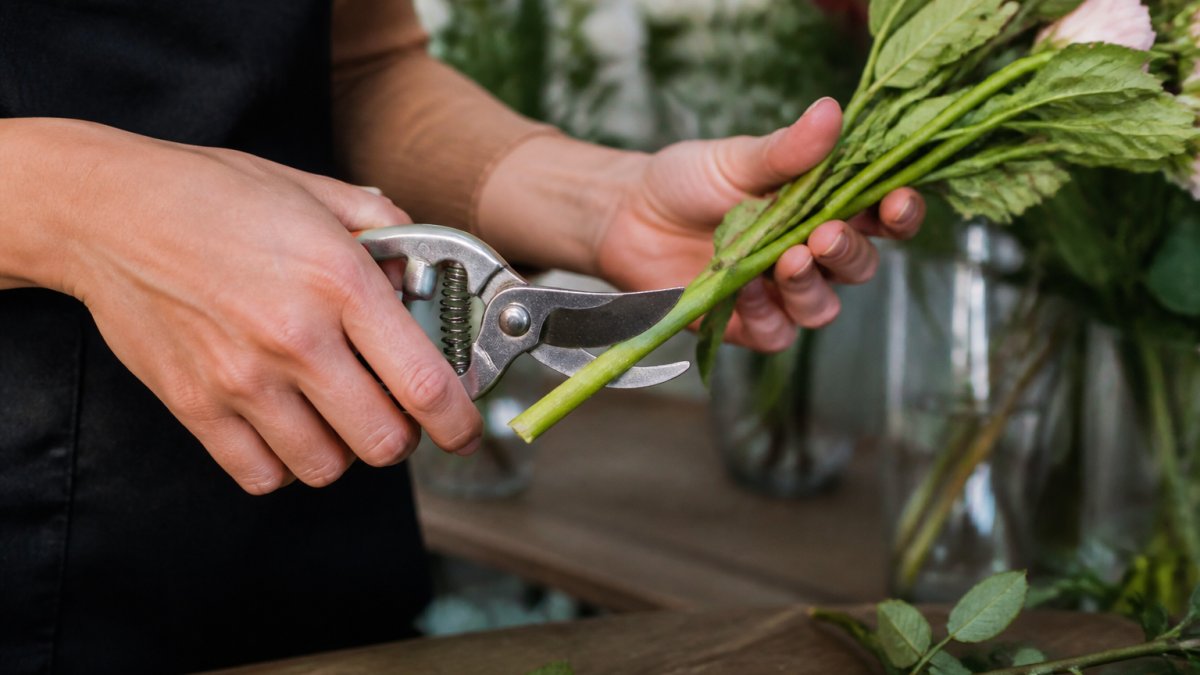
Professional florists handle hundreds of stems per week. A poor tool leaves ragged edges that accelerate wilting and shorten vase life by days, while dull or poorly fitted secateurs cause compounding hand fatigue.
At Toolpro, we've sourced professional-grade secateurs designed for floral work. The right blade geometry and ergonomic grip reduce fatigue and deliver cleaner cuts.
Bypass Secateurs for Florists: The Standard Choice
Bypass secateurs use two sharp blades that pass by each other like scissors, delivering the clean cut essential for floristry work.
Bypass secateurs excel at cutting soft and semi-woody stems cleanly: the cutting blade slides past a stationary counter blade, leaving a clean wound that seals quickly.
The trade-off: dull bypass blades compress and tear stems instead of cutting, so regular cleaning and sharpening is non-negotiable for professional use.
When choosing bypass secateurs for florists, look for hardened steel blades and a comfortable grip that doesn't require excessive hand pressure. The Chikamasa Florist Pruner, at $46.00, delivers professional-grade bypass cutting in a compact 190mm design.

Florist Snips vs Secateurs: Which Tool Fits Your Work
Florist snips and secateurs serve different purposes; understanding when to use each protects your materials.
Florist snips are lightweight scissors for fine, delicate work: soft stems, thin branches, ribbon and wire.
Secateurs are heavier-duty tools for thicker stems and woody growth.
For pure floral design with soft stems, roses, carnations and delicate foliage, florist snips are often sufficient. The ARS FP17 Florist Scissors at $65.00 and the Sakagen Professional Florist Scissors at $45.00 both deliver the precision and comfort needed for repetitive fine cutting.

If your work includes garden harvesting, woody branches, or thicker material alongside soft stems, secateurs are essential. Most professionals maintain both: snips for detail work, secateurs for heavier material.
Blade Material, Edge Retention, and Cut Quality
High-carbon steel holds a sharper edge longer than stainless steel but corrodes if not cleaned and dried after each use.
Stainless steel resists corrosion and needs less maintenance, practical for high-volume work, but doesn't hold an edge as long as high-carbon steel, so you'll sharpen more often.
Quality Japanese secateurs from Chikamasa and ARS typically use high-carbon steel blades, hardened to stay sharp through hundreds of cuts.
Check whether the manufacturer specifies steel type and hardness.
Ergonomic Secateurs for Small Hands and Repetitive Use
Hand fatigue in floristry is cumulative. A tool that feels fine for a ten-minute arrangement can cause forearm and thumb-base soreness after a full day of conditioning stock. The real question is how it behaves on the five-hundredth cut of the day.
The four ergonomic variables that actually matter
Handle span and shape. Handle span is the distance between the open grips at rest.
Spring action. A coiled or leaf spring built into the pivot returns the handles after each cut; a separate wire spring does the same but can be replaced when it fatigues.
Locking mechanism. A thumb-operated sliding catch is most common.
Weight and balance. Balance matters more than total weight: a slightly heavier tool balanced toward the pivot feels lighter than a nose-heavy lighter one, especially for overhead or extended-reach cutting.
Left-handed options
Many bypass secateurs are handed: the cutting blade sits on one side of the pivot, the counter blade on the other, mirrored for left-handed users. Using a right-handed bypass secateur in the left hand rolls the blade away from the cut and crushes stems. Left-handed professionals should choose a left-handed or ambidextrous model rather than adapt. Anvil secateurs are generally ambidextrous but wrong for fresh flower stems.
Matching the tool to the work pattern
- Daily studio work (hundreds of stems per shift): prioritise light spring tension, a matched handle span, and a one-hand lock; balance beats weight.
- Event preparation (intense bursts): a larger handle and stronger spring are tolerable in shorter sessions, but blade sharpness matters more than ergonomics.
- Market or wholesale work (cutting on the move): a lanyard hole and secure lock matter more than cushioning.
A practical fit test
Close the handles fully and check your fingers wrap without tips digging into the palm; open them fully and check your hand isn't stretched. Cut a few soft and semi-woody stems. If you feel pressure in the thumb base or forearm after twenty cuts, the tool is wrong for you, whatever the spec says.
Chikamasa Floristry Scissors - Small →
How to Sharpen Secateurs and Prevent Disease Spread
Sharp blades are non-negotiable: a dull secateur crushes stems, introducing disease and reducing arrangement longevity.
Sharpening frequency depends on usage. Professionals cutting 100+ stems daily should sharpen every 1-2 weeks; casual users monthly.
Sharpening method varies by design. Most Japanese secateurs have bevelled blades needing a specific angle; a professional service ensures correct angles and alignment.
Disease prevention is critical when moving between plants.
Secateur Selection by Stem Type and Cutting Capacity
Cutting capacity is usually a maximum stem diameter in millimetres, but for floristry the useful question is what wound the blade leaves. A clean cut exposes open xylem vessels that take up water; a crushed cut collapses them.
Why blade choice affects vase life
A cleanly cut stem keeps its water-conducting tissue open and rehydrates; a crushed end is damaged and may seal itself off, reducing uptake. So a sharp bypass blade gives the longest vase life, while a dull blade or anvil cutter shortens it. This is the key reason to choose bypass over anvil for fresh flowers.
Matching the tool to the stem
Soft, herbaceous stems (roses, carnations, tulips, gerberas, most foliage). These cut cleanly with light pressure using florist snips or lightweight bypass secateurs.
Semi-woody stems (chrysanthemums, some shrub material, thicker foliage). These need more force and a stronger blade; bypass secateurs rated for around 15-20mm handle them well.
Woody stems and branches (flowering branches, hardwood material). These exceed typical florist secateur capacity.
Cutting capacity in practice
A secateur rated for 20mm should cut cleanly to that diameter without excessive pressure, but two caveats matter. Rated capacity assumes a dry, straight stem; green, wet or angled material is harder. And cutting at the rated maximum dulls the blade faster than cutting well within it, so if most of your material is 8-12mm, a 20mm tool stays sharp far longer than a 12mm tool used at its limit.
| Stem Type | Recommended Tool | Typical Cutting Capacity | Floristry Note |
|---|---|---|---|
| Soft stems, flowers | Florist snips | 5-10mm | Cut at an angle; sharpness matters most for vase life |
| Mixed floristry | Bypass secateurs | 15-20mm | General floral design; keep well within rated capacity |
| Semi-woody stems | Bypass secateurs | 15-20mm | Clean cut critical for water uptake |
| Woody branches | Heavy-duty bypass or lopper | 20-25mm | Finish with a clean cut before conditioning |
| Hollow or pithy stems | Sharp bypass | 5-15mm | Single clean cut; avoid crushing |
Conditioning and hygiene at the cut
A clean cut is only half the job. Sap on the blade carries pathogens, and some stems (poinsettia, euphorbia) exude latex that gums the blade and reduces cut quality. Wipe between batches and disinfect between species or when moving from suspect material to healthy stock; 70% alcohol or household disinfectant suffices.
After cutting, condition stems in clean, lukewarm water for several hours before arranging; the clean cut from a sharp bypass blade is what allows conditioning to work.
Conclusion: Investing in Professional-Grade Cutting Tools
The cost gap between a $30 general secateur and a $45-65 professional tool shrinks once you factor in durability, edge retention and hand health.
Toolpro stocks professional-grade secateurs and florist scissors built for floral work. The Chikamasa and ARS models deliver the precision, comfort and durability professionals depend on, and we supply sharpeners and replacement parts to keep your investment performing year after year.
Frequently Asked Questions
What is the difference between bypass and anvil secateurs?
Bypass secateurs have two curved blades that slide past each other like scissors, making a clean cut ideal for living stems and flowers. Anvil secateurs have one sharp blade that cuts against a flat surface, better suited to dead wood. For floristry, bypass secateurs are the standard choice because they crush less tissue and produce the clean cuts that keep flower stems healthy and absorb water properly.
How do bypass secateurs for florists differ from general pruning secateurs?
Florist-specific bypass secateurs are designed for precision on soft, delicate stems rather than thick branches. They typically have smaller cutting capacities (often 8-10 mm), lighter weight for extended hand comfort, and finer blades that minimise bruising. General pruning secateurs handle woody growth up to 20-25 mm and prioritise durability over delicacy. Florists benefit from the lighter, more precise design because they make hundreds of cuts per day on tender stems.
What is the best way to sharpen secateurs to maintain cutting performance?
Sharpen only the curved blade on bypass secateurs using a whetstone or honing tool at a 15-20 degree angle. Work from the spine to the edge in smooth strokes, keeping pressure consistent. For anvil secateurs, sharpen the top blade only. Test sharpness on soft stem material weekly during heavy use. Dull blades crush tissue rather than cut cleanly, introducing disease and reducing stem longevity. Professional florists sharpen secateurs every 2-3 weeks depending on volume.
Why do ergonomic secateurs for small hands matter in professional floristry?
Florists make repetitive cutting motions for hours daily, which can cause hand fatigue, strain, and repetitive stress injury. Ergonomic secateurs with reduced handle span, lightweight construction, and smooth grip surfaces reduce fatigue and improve comfort. Tools designed for smaller hands fit properly, reducing unnecessary force and improving cut quality. Poor fit leads to compensatory gripping, which accelerates hand soreness and reduces precision over an 8-hour day.
How often should florist secateurs be cleaned and maintained?
Clean secateurs daily after use with warm soapy water and dry thoroughly to prevent rust and sap buildup. Sap accumulation reduces cutting efficiency and can transfer disease between plants. Sharpen blades every 2-3 weeks during regular use. Check the spring mechanism and locking function weekly. Oil the pivot point monthly with light machine oil. Proper maintenance extends tool life by years and keeps cuts clean, which is critical for flower longevity and plant health.
What cutting capacity do I need for typical flower stem work?
Most florist work involves stems 5-10 mm in diameter, so a cutting capacity of 8-10 mm is sufficient for roses, carnations, and foliage. Some florists handle woody stems like eucalyptus or branches up to 15 mm, which requires a slightly larger capacity. Check the stem types you work with most frequently. Oversized secateurs feel heavy and clumsy for delicate work, whilst undersized tools will struggle with thicker stems. Match capacity to your most common task, then keep a second pair for occasional heavier work.
How do I prevent disease spread when cutting flowers from multiple sources?
Sanitise secateurs between plants by wiping blades with a cloth dampened in 70% alcohol or a bleach solution (1 part bleach to 9 parts water). Sanitise especially when moving between client arrangements or between plants showing any sign of disease. Clean blades daily at the end of work and before storing. Disease prevention is critical in floristry because cut flowers are already stressed and vulnerable to infection.
The right secateurs transform how you work. Less hand fatigue, cleaner cuts, longer-lasting arrangements, and reduced material waste compound into measurable improvements in your output quality and work satisfaction. Invest in tools that match your professional standards. Get started with Toolpro's curated selection of professional-grade secateurs for florists and discover the difference precision cutting tools make.